
Unna lengua de longo corso
Unna lengua de longo corso

1984: o zeneise o conquista o mondo
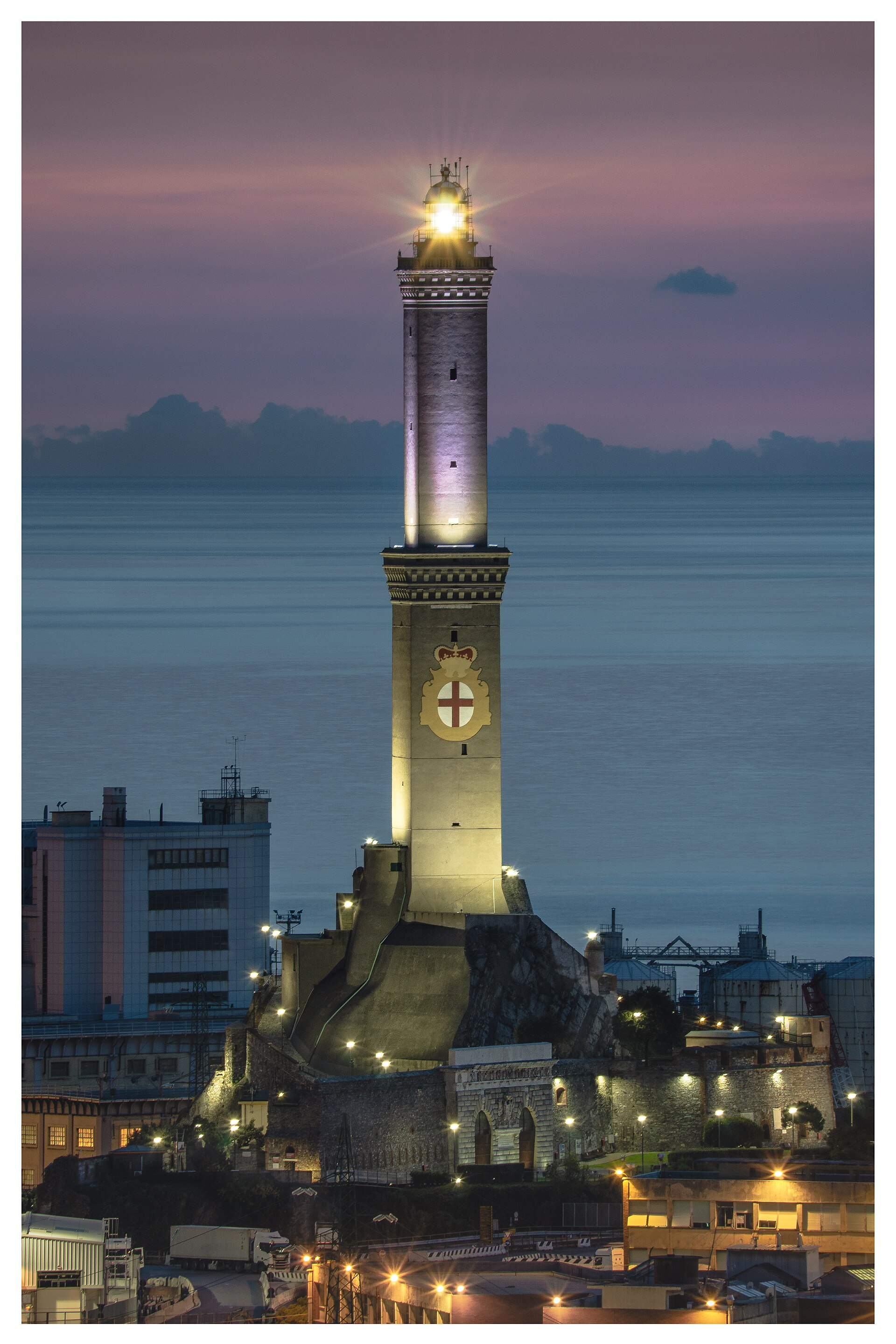
Çent’anni de «Ma se ghe penso»
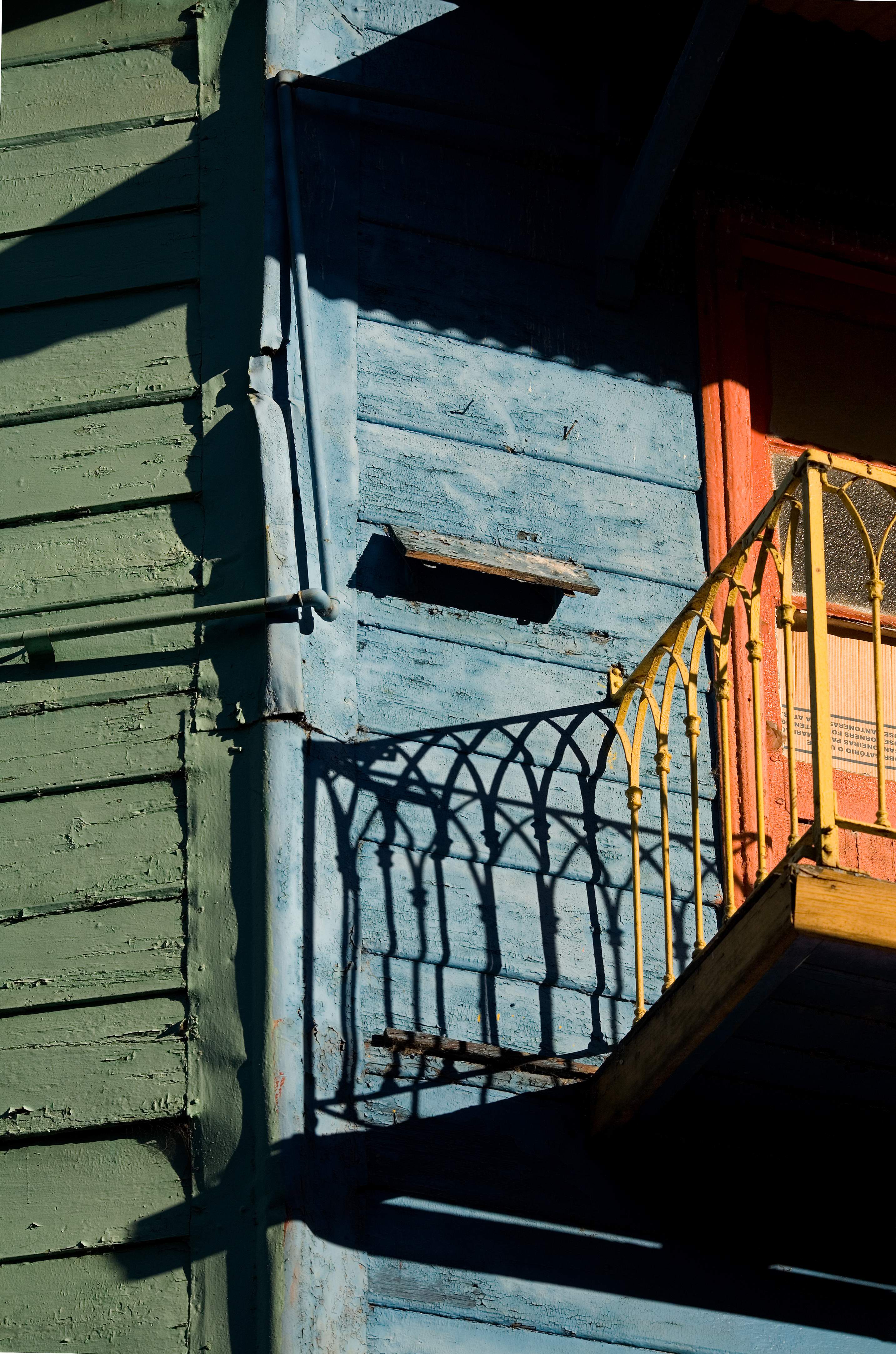
Xeneizes: perché o Boca o parla zeneise

O primmo «pesto» o l’ea sensa baxaicò

A damma ch’a l’à dæto o legnetto – in zeneise

Cioppin: a pittansa de San Francisco ch’a parla zeneise

Tra portogheixi e indien se parlava zeneise
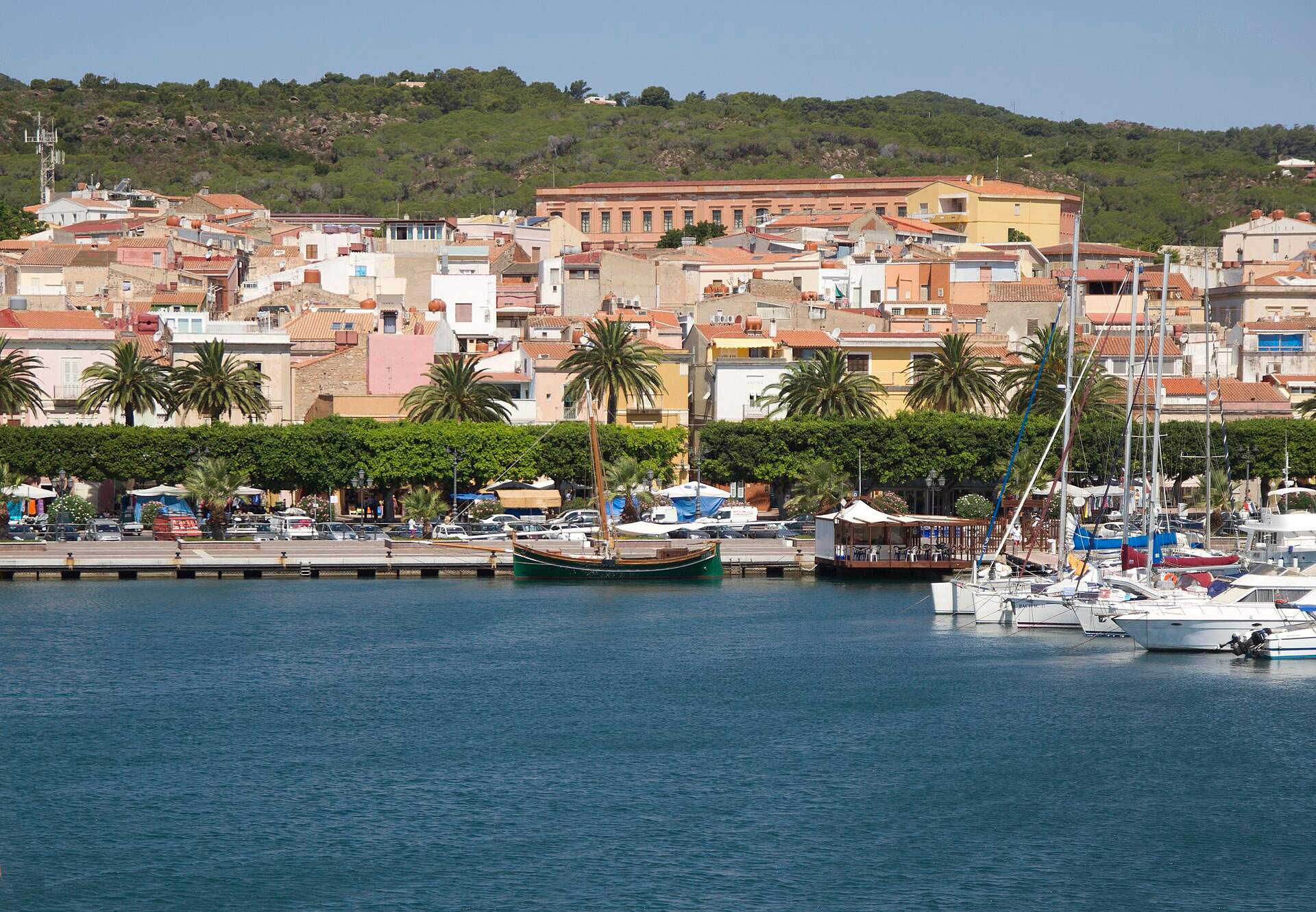
Tabarchin: Zena, Tabarca, Sardegna
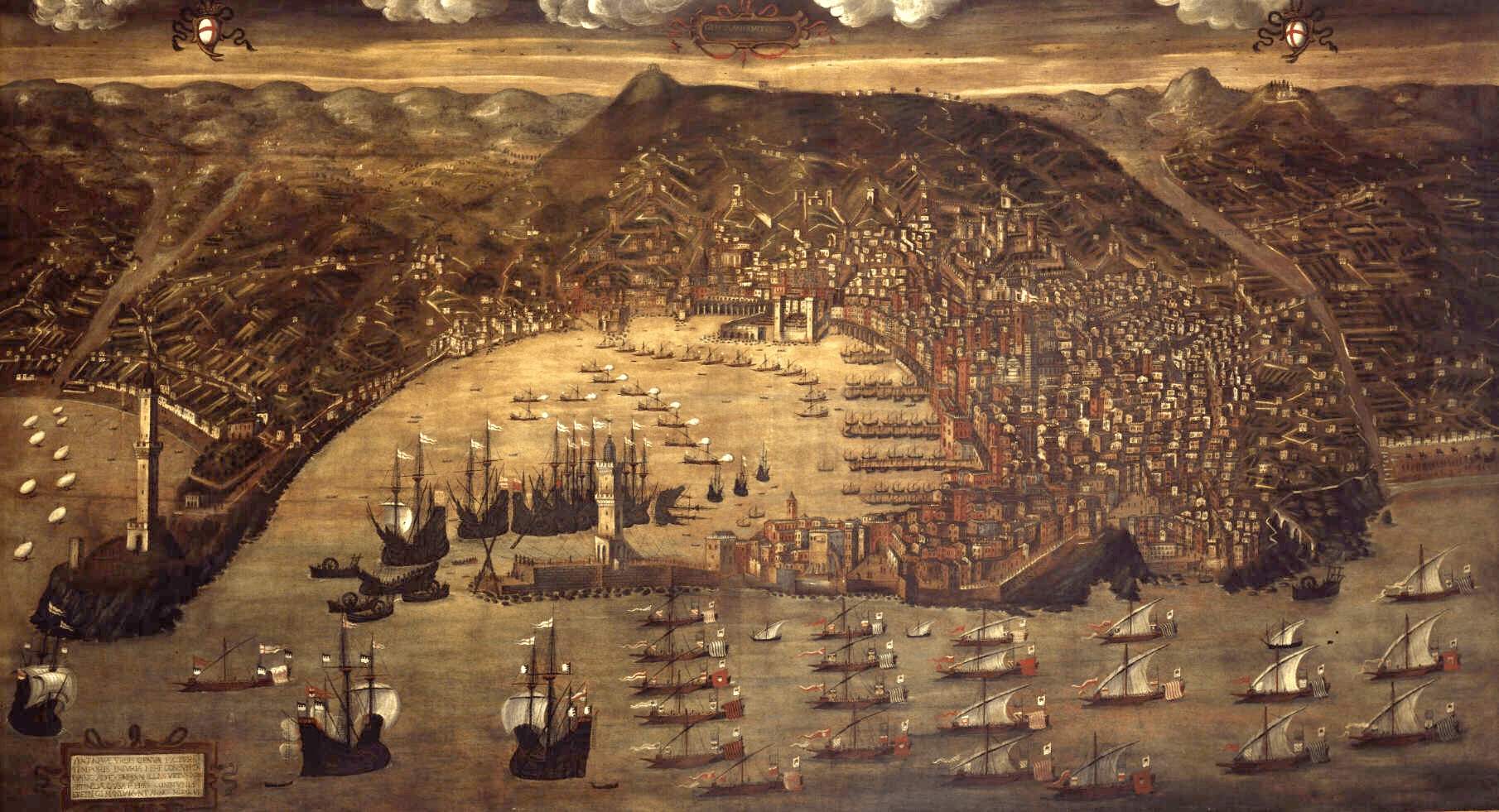
Donde van, unn’atra Zena ghe fan
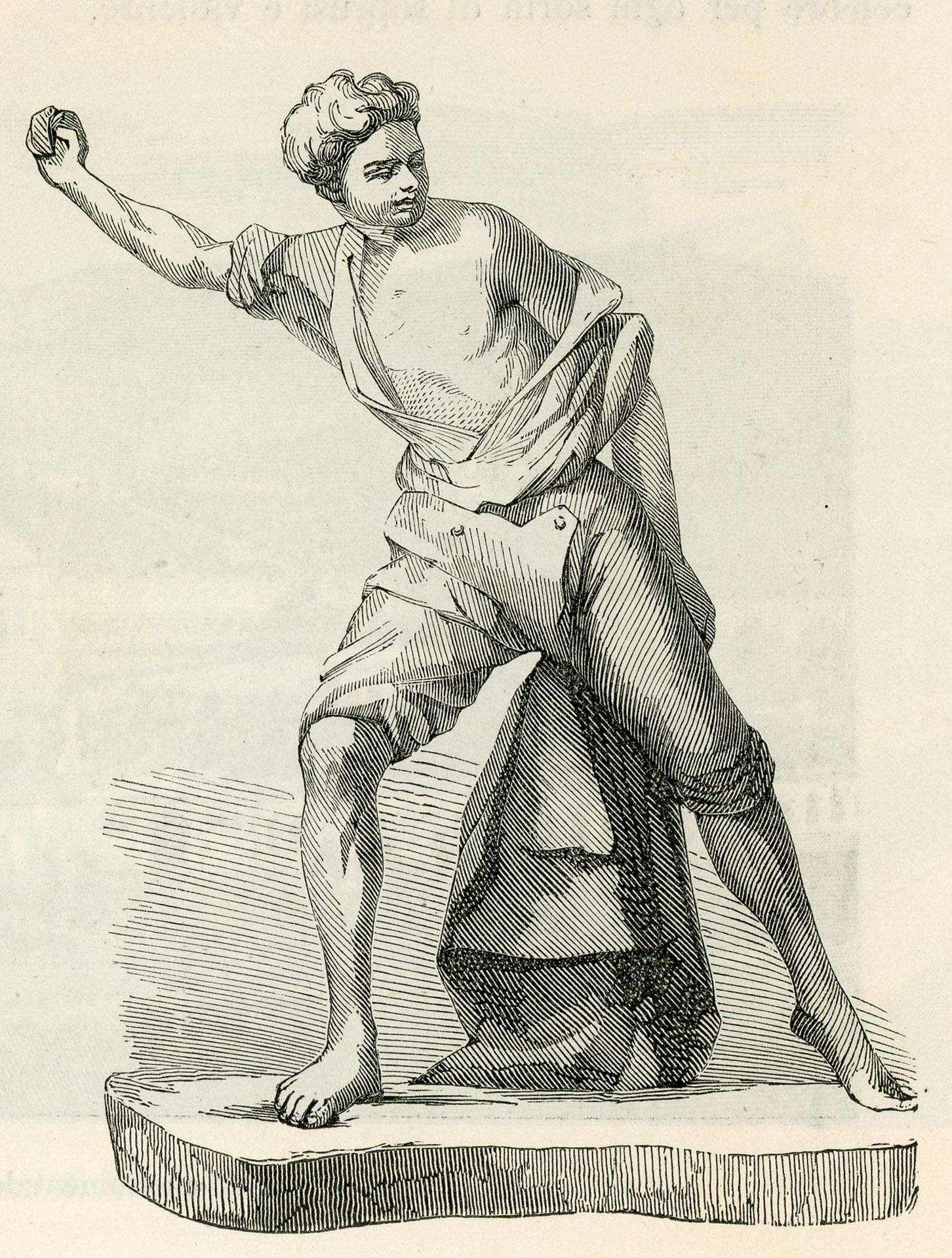
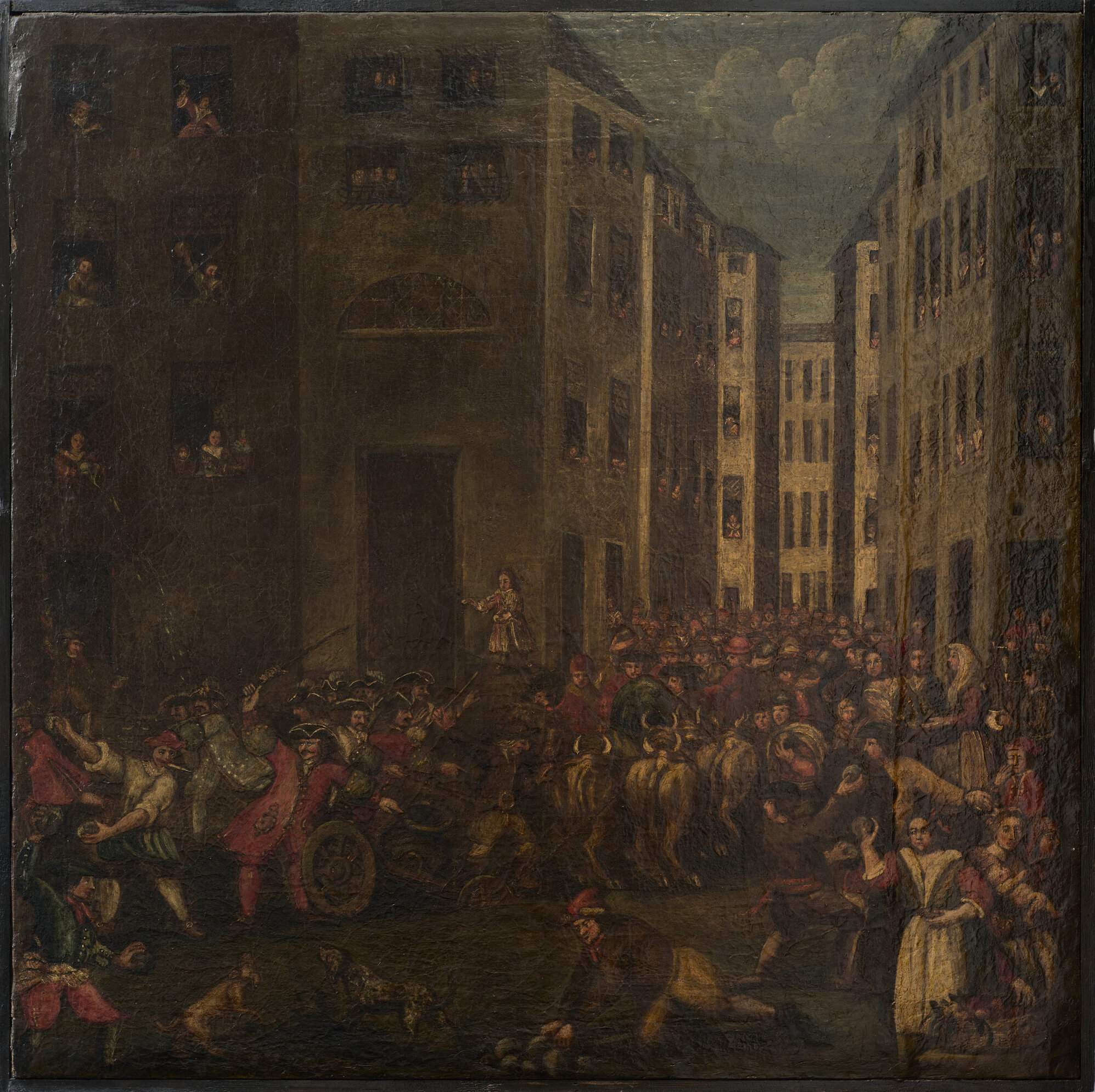
1941: o Balilla o torna, stavòtta contra o regimme
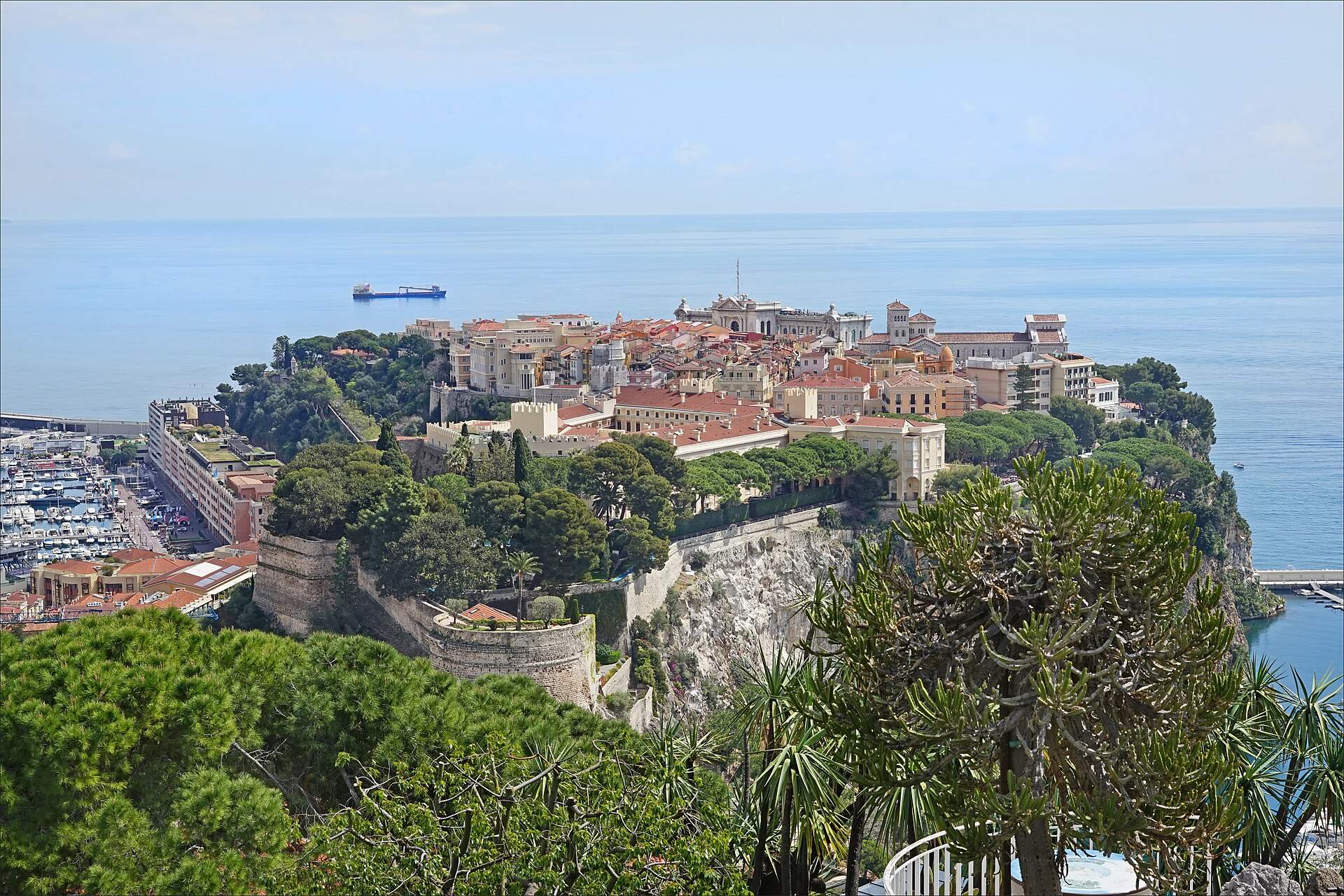
O ligure ch’o s’imprende à Monego
«Che l’inse?»: doe poule, un sollevo
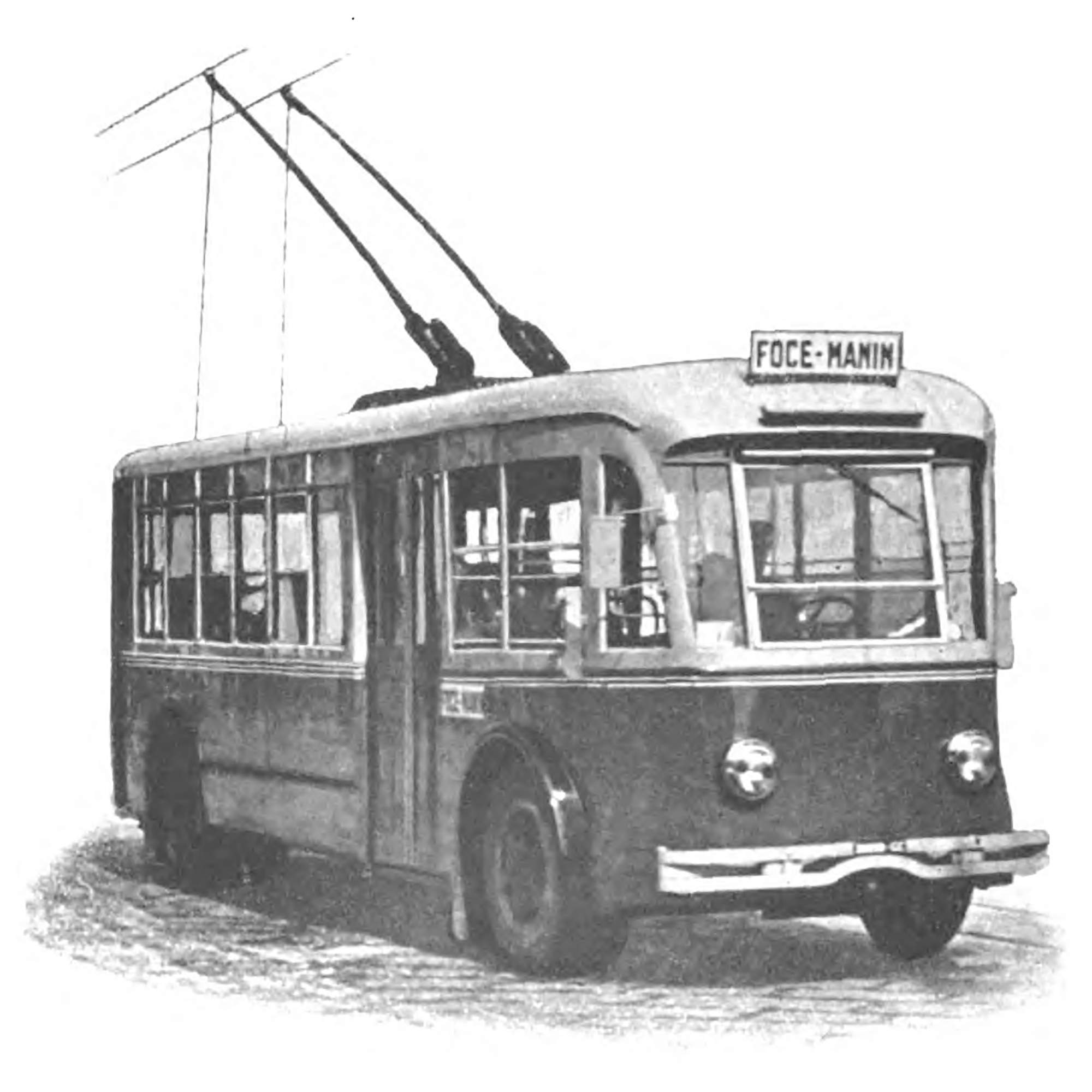
O fascismo o l’à proibio o zeneise?
Zemin: a poula ch’a cangia pittansa à ògni pòrto

Escì ch’ô se parla!